BytePad: Enhancements Summary
AI-Powered Global Search
InterScripts has significantly expanded the capabilities of its AI Global Search feature within the BytePad application, marking an essential advancement in how users access and interact with clinical data. Previously, AI Global Search focused primarily on a limited set of data types. With this enhancement, the feature now supports a broader, more diverse range of clinical information sources, enabling users to find relevant data more efficiently and accurately than ever before.
One of the most notable improvements is the system’s ability to index and search information originating from Laboratory Information Systems (LIS). Laboratory data has traditionally been extensive, complex, and often siloed within dedicated modules or external systems. By incorporating LIS data into the AI Global Search framework, BytePad now empowers healthcare professionals to quickly retrieve lab results, test orders, interpretations, and historical laboratory trends without needing to navigate multiple systems or interfaces. This type of streamlined access can be especially valuable in fast-paced clinical environments, where timely insights directly support patient care decisions.
In addition to lab data, InterScripts has extended AI Global Search to support Radiology Information Systems (RIS). Radiology data—such as imaging orders, study results, dictations, and radiologist impressions—has historically posed challenges due to the volume of associated reports and the
complexity of imaging terminology. By integrating RIS data into the search ecosystem, the BytePad application now enables users to locate and filter radiology-related information easily. Whether a user needs to review the final radiologist interpretation of an X-ray or identify a series of imaging studies related to a patient’s longitudinal care, this enhanced capability simplifies the search process and ensures that vital diagnostic information is readily available.
A key strength of the updated AI Global Search lies in its ability to handle both structured and unstructured data. Structured data, such as coded lab values or standardized radiology procedure names, can now be searched alongside unstructured elements, such as narrative radiology reports or free-text lab interpretations. The platform’s AI-driven indexing mechanisms leverage natural language processing (NLP), semantic search, and context-aware data modeling to deliver highly relevant results—even when queries are broad, incomplete, or conversational. This holistic approach ensures that clinicians and operational users can discover meaningful insights across datasets that were previously difficult to access cohesively.
By expanding to these additional data types, InterScripts is advancing towards its broader vision of creating a unified, intelligent, and interoperable clinical information ecosystem. This enhancement not only saves users time but also supports better clinical decision-making by consolidating information that was once fragmented across disparate systems. Ultimately, the strengthened AI Global Search capability positions BytePad as a more powerful tool for healthcare organizations looking to improve workflow efficiency, reduce information gaps, and elevate the overall quality of patient care.
InterScripts Client Success Spotlight: Next-Gen Policy Management System
We understand that policies and procedures are the backbone of patient safety and compliance. That's why many of our client health systems are already leveraging our enhanced Policy Management System to turn static documents into active, reliable tools.
Achieving Operational Excellence with InterScripts
Our clients are seeing significant gains by utilizing key features designed to solve their most complex operational and compliance challenges:
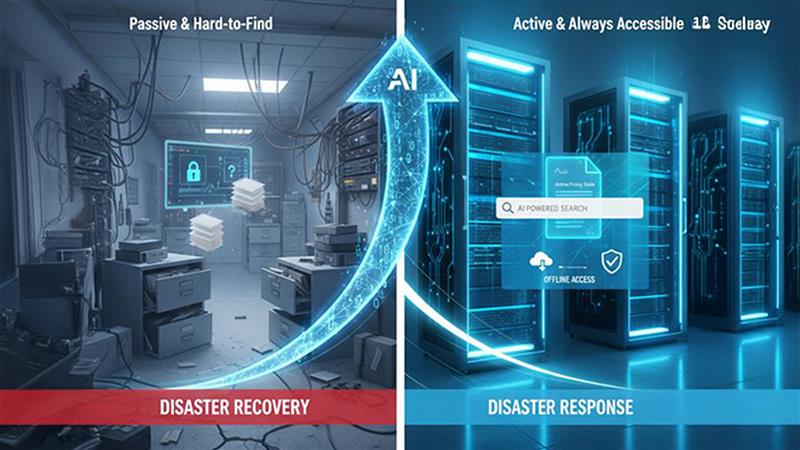
Document Management: We've worked with systems to transform their policy management from passive to active. This ensures documents are always up-to-date and easily retrieved, reducing staff frustration and minimizing risk associated with outdated information.
Disaster Response Readiness: We help organizations shift their focus from mere disaster recovery to proactive disaster response. Our technology ensures that all mission-critical documents remain accessible offline during unplanned downtime, securing business continuity when it matters most.
AI-Powered Compliance: Our platform incorporates AI-powered search capabilities, enabling users to find the exact policies they need at all times. This speed and accuracy are crucial for complex compliance audits and critical, real-time clinical decisions.
Proactive Issue Prevention: InterScripts has fortified our system to proactively prevent critical issues, including "code dark" scenarios. By ensuring the instant and timely notification of all policy updates to every stakeholder, our system safeguards full compliance and maintains the absolute highest standards of patient safety.
Our Commitment to Excellence:
We are committed to empowering our clients with the tools they need to stay informed and confident. The adoption of these capabilities reflects our commitment to excellence in healthcare management and underscores our dedication to enhancing compliance and protecting patient care.

InterScripts AI enabled Archival latform Pilot - Expected to Deliver Stunning Results At Reid Health
The time for data bottlenecks is over. InterScripts is empowering your staff to focus on patient care and strategic growth, not chasing reports.
We recently partnered with a leading health system, Reid Health, to pilot a specialized local GPT instance of our Archival Solutions. The results below could confirm a fundamental shift in how organizations can interact with their data, empowering non-technical users and freeing up valuable IT resources.
This would be available by the end of the first quarter next year.

Exciting Partnership Announcement!
We are thrilled to announce that InterScripts has partnered with Cognizant and their TriZetto products to provide exceptional support for clients using these industry-leading payer applications. This collaboration marks a significant step forward in our mission to deliver comprehensive and innovative solutions in the healthcare sector.
By combining our extensive provider knowledge and global support experience with Cognizant's cutting-edge technology and expertise, we are well-positioned to enhance the performance and efficiency of TriZetto applications for our clients. This partnership will enable us to offer unparalleled support and integration services, ensuring our clients can optimize their operations and achieve their business goals.
Together with Cognizant, we are committed to driving innovation and excellence in healthcare technology. Stay tuned for more updates as we embark on this exciting journey to transform the healthcare landscape!
#Partnership #Healthcare #Technology #Innovation #Cognizant #TriZetto #InterScripts #Collaboration #ClientSuccess #HealthcareIT

Transforming Housing Programs: Interscripts Partners with Park City, UTAH, to modernize the Housing Application System
We are thrilled to announce that Interscripts has entered into a partnership with the State of Utah to support Park City in the modernization of the management platform for their affordable and attainable housing program. This project will see Interscripts employing the latest technology to create a fresh, user-friendly, cloud application while maintaining the highest standards of security.
This prestigious government project underscores our commitment to innovation and excellence. By aligning our team with experts who have relevant experience from similar state and county projects, we are positioned to add significant strategic value to this initiative. Our CEO, Raju Togi, shares, "We are excited about this opportunity to contribute to such a vital program and are dedicated to ensuring its success. This collaboration highlights our capability to deliver world-class solutions tailored to the specific needs of government projects."
We look forward to the positive impact this project will have on the residents of Park City and to setting a benchmark for future technology-driven housing program applications.

Leadership and the Human Connection: Handling Difficult Employees
You can be a kind, empathetic, educated, experienced and skilled leader, and still fail to reach every member of your team. This can inspire emotions within you such as sadness, anger, disappointment, and concern. You can choose to let it consume you, or you can lead with empathy. This sounds exhausting but it is, after all, your job. The human connection becomes even more important when there are challenges that arise. Empathy is a powerful tool for leaders to use when dealing with difficult employees. By demonstrating empathy, a leader can create a safe and supportive environment for their team members, which can help to diffuse tensions and improve communication.
Here are some ways a leader can use empathy to deal with difficult employees:
- Listen actively: When an employee is upset or struggling, it's important to listen actively and attentively to what they have to say. This means giving them your full attention, making eye contact, and responding with empathy and understanding.
- Put yourself in their shoes: Try to imagine what it might be like to be in the employee's situation. This can help you to understand their perspective and respond in a more compassionate and effective way.
- Validate their feelings: Let the employee know that you understand and appreciate their feelings. Acknowledge their frustration, disappointment, or anger, and show that you care about their well-being.
- Provide support: Offer your assistance and support to help the employee overcome their difficulties. This might involve providing additional training, resources, or guidance, or simply offering a listening ear and a sympathetic shoulder.
- Set clear expectations: While empathy is important, it's also important to be clear about your expectations and standards for behavior and performance. Be firm but fair in your communication, and let the employee know what you expect from them moving forward.
By using empathy in these ways, a leader can help to create a positive and supportive workplace culture that encourages communication, collaboration, and growth.
What Happens When You Try Everything but Fail?
“Now what, genius?” You may ask, “I’ve done everything to build the team, and work with the difficult employee and still nothing works!” While empathy is a powerful tool for dealing with difficult employees, it's important to recognize that it may not always be effective. Some employees may be resistant to empathy or may simply be unwilling or unable to change their behavior. In these cases, a leader may need to explore other strategies to address the situation.
Here are some things to consider if difficult employees do not respond to empathy:
- Document the behavior: Keep detailed records of the employee's behavior, including specific examples of when and how they have caused problems. This documentation can be helpful if more formal action is required down the line.
- Provide feedback: Give the employee clear, specific feedback on their behavior, and explain how it is impacting the team and the organization. Be firm but fair in your communication and provide specific examples of what they need to do differently.
- Set consequences: Be clear about the consequences of continued problematic behavior, such as disciplinary action or termination. Be sure to follow through on these consequences if the behavior does not improve.
- Involve HR: If the employee's behavior is particularly problematic or if they are resistant to change, it may be necessary to involve HR or other relevant stakeholders to help address the situation.
Ultimately, dealing with difficult employees requires a combination of empathy, clear communication, and consequences. By taking a measured and consistent approach, a leader can help to create a positive and productive workplace culture that supports the success of the team and the organization. However, it is important to not allow the rest of the team to suffer and realize how this also impacts the rest of your team.
Leading A Team Impacted by a Toxic Employee
Empathy can play a key role in helping a team damaged by one toxic employee to heal and rebuild. When a team member is behaving in a toxic or harmful way, it can create a sense of mistrust, conflict, and tension within the team. By demonstrating empathy, a leader can help to create a safe and supportive environment where team members can feel heard, understood, and valued.
Here are some ways empathy can help a team damaged by one toxic employee:
- Rebuild trust: When team members have been hurt or offended by a toxic employee, it can be difficult for them to trust each other or work together effectively. By demonstrating empathy, a leader can help to rebuild trust and restore positive relationships within the team.
- Foster open communication: Toxic behavior often arises from a lack of understanding or miscommunication. By showing empathy and encouraging open communication, a leader can create a safe space for team members to share their thoughts and feelings, and work together to resolve conflicts.
- Address underlying issues: Toxic behavior is often a symptom of deeper underlying issues, such as stress, burnout, or personal challenges. By demonstrating empathy and understanding, a leader can help the toxic employee address these underlying issues and work towards a more positive and productive attitude.
- Encourage collaboration: Toxic behavior can create a sense of competition or conflict within the team, which can be detrimental to team cohesion and productivity. By promoting collaboration and teamwork, a leader can help the team work towards a common goal and rebuild a sense of unity and shared purpose.
By using empathy in these ways, a leader can help to transform a damaged team into a stronger, more cohesive unit, with a shared sense of purpose and a commitment to working together effectively.
Team Empowerment
Whether you are building or rebuilding a team, you can empower your team to use empathy in a variety of ways. By fostering a culture of empathy, you can create a workplace environment that values and promotes understanding, cooperation, and mutual respect. Here are some ways you can empower your team to use empathy:
- Lead by example: As a leader, your behavior sets the tone for the rest of the team. Demonstrate empathy in your interactions with team members and model the kind of behavior you would like to see from your team.
- Promote understanding: Encourage team members to learn about each other's backgrounds, experiences, and perspectives. This can help to promote understanding and empathy and create a more inclusive and supportive workplace culture.
- Provide training: Offer training or resources to help team members develop their empathy skills. This might involve workshops, online courses, or other educational materials that can help team members develop their emotional intelligence and communication skills.
- Foster open communication: Encourage team members to share their thoughts and feelings openly and honestly and provide a safe and supportive environment for them to do so. This can help team members to understand each other better and work together more effectively.
- Recognize and reward empathetic behavior: Acknowledge and reward team members who demonstrate empathy and understanding. This can help to reinforce the importance of empathy in the workplace and encourage others to follow suit.
By empowering your team to use empathy, you can create a workplace culture that promotes collaboration, cooperation, and mutual respect. This can lead to higher levels of employee engagement, greater job satisfaction, and improved overall performance and productivity. If you lead with empathy and empower your team to use empathy, you will have fewer personnel issues and be prepared to face the challenges you are presented with.
Recently Published
Technology
Technology